
Consumer Kaspersky for Linux is now a separate product route
Do not confuse this page with Kaspersky Endpoint Security for Linux, which is managed business software. The consumer product uses a personal subscription and My Kaspersky account; business devices should follow the administrator's package and policy.
Where to download Kaspersky for Linux safely
The official Kaspersky for Linux route starts on Kaspersky's consumer Linux product page. It explains the personal-device product and sends eligible customers through the correct regional purchase, account or installation flow. This page does not mirror Linux packages or activation files.
The latest verifiable first-party documentation found for this guide is Kaspersky for Linux 2.0. Official help identifies DEB and RPM installation paths, but Kaspersky does not publish one permanent public package URL, release date or file size that applies to every account and region.
Before downloading, check the exact distribution and version listed in the current system requirements. A package intended for another distribution family can fail to install or leave repository and dependency problems that an unofficial tutorial may not explain.
Sign in to My Kaspersky and confirm that the subscription actually includes the Linux application in your country. Product availability, plan names and account buttons can differ by region, so the official page remains the final source of truth.
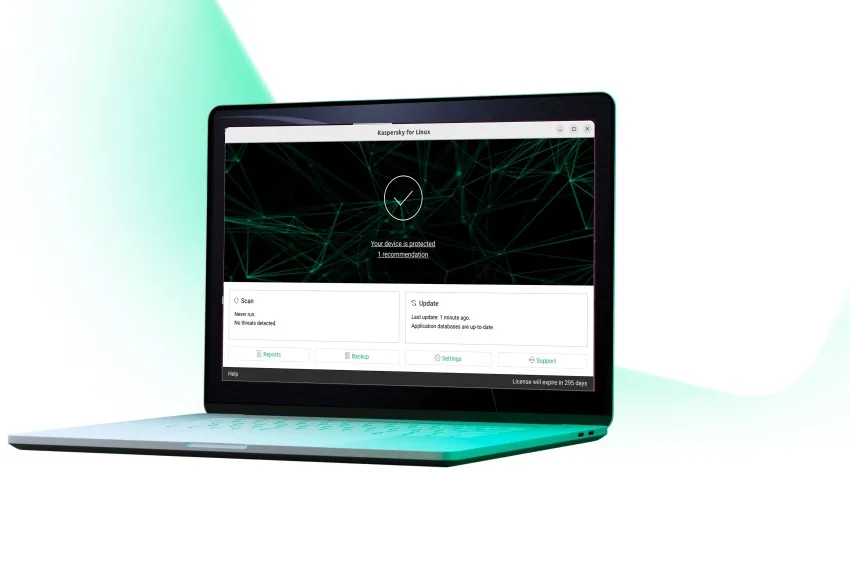
Official Kaspersky for Linux Download guide - facts
| Verified documentation | Kaspersky for Linux 2.0 |
|---|---|
| Checked | July 30, 2026 |
| Platform | Supported 64-bit Linux distributions listed by Kaspersky |
| Package formats | DEB and RPM installation paths are documented |
| Account | My Kaspersky and an eligible regional subscription may be required |
| Package and size | No universal stable direct file URL or file size verified |
| Download destination | Official Kaspersky Linux product-page fallback |
Is the consumer Linux product the right Kaspersky download?
Choose the route by device ownership and administration model, not only by the word Linux.
- Use Kaspersky for Linux for a supported personal desktop covered by an eligible consumer subscription.
- Use Kaspersky Endpoint Security for Linux when an employer, school or administrator manages the device.
- Confirm whether the official installer is DEB or RPM for your distribution before downloading.
- Check My Kaspersky before purchasing again because an existing multi-device plan may already show a Linux entitlement.
- Do not use unofficial repositories, cracked licenses or package mirrors that cannot prove publisher, version and update origin.

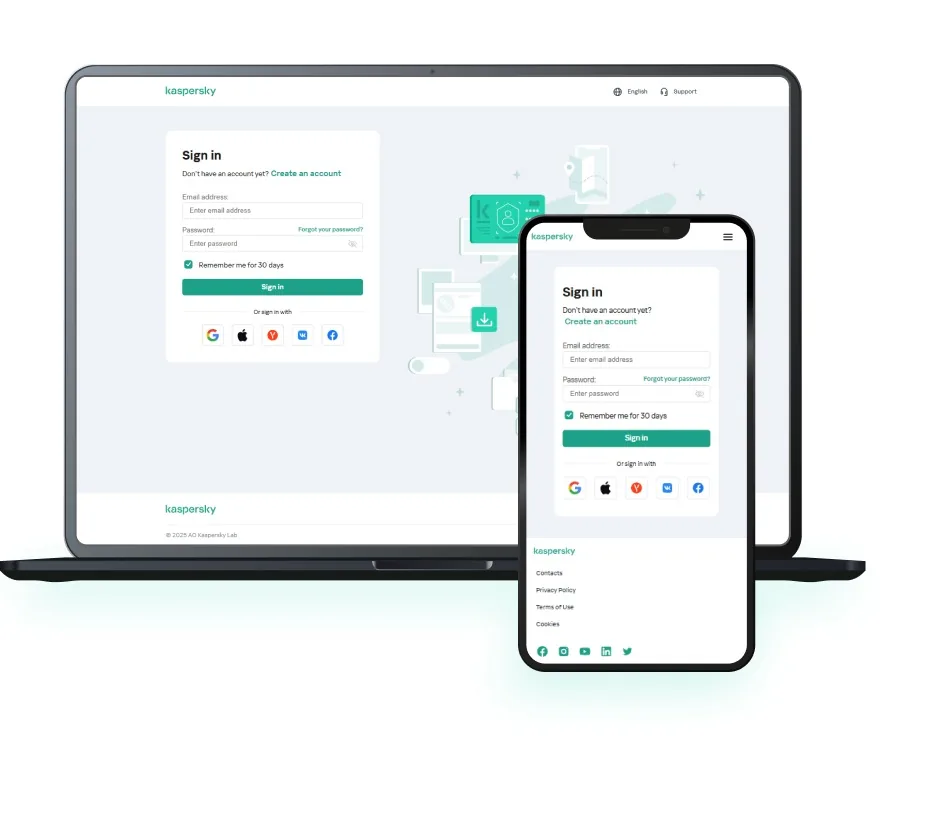
Install, activate and run the first update
Open the official source, sign in when requested, and download the package selected for the supported distribution. Follow Kaspersky's current DEB or RPM instructions instead of converting packages or forcing dependencies from unrelated repositories.
After installation, open the application, connect the legitimate account or activation provided by Kaspersky, and allow the first application and database update to complete. Confirm that protection, scan and update states are visible in the Linux interface.
If installation fails, record the distribution version, package format and exact terminal error, then use the version 2.0 help center or Kaspersky Support. Do not disable package verification or run a random shell script from a download portal.
Current consumer products normally use a Kaspersky account for subscription and device management. The download itself does not include a paid license. A trial, purchase or eligible activation code determines what becomes active after installation. Do not create multiple accounts to work around entitlement or region checks, because that makes renewals and device management harder.
Features described on marketing pages can depend on platform and country. Treat plan labels as a product-selection framework, then read the official local comparison before purchasing or migrating. If your account already displays a product and available devices, that account view is more useful than a generic search-result headline.
How to download and install from the official source
Use this workflow for a current subscription, an older Kaspersky product or a standalone utility. It keeps the publisher and entitlement clear and reduces the risk of a repackaged installer. Screens differ by country and product, but the source and account checks remain the same.
Confirm the product
Check the product name in My Kaspersky, your order email, license certificate or existing application. If the name is Anti-Virus, Internet Security or Total Security, read the migration notice before selecting a current plan.
Open the source page
Use the official-source button on this page. After the 15-second handoff, verify that the destination is a Kaspersky-owned domain or an official app store reached through Kaspersky.
Review local requirements
Confirm the operating system, account requirements, subscription terms and regional availability shown on the destination page. Do not rely on a file name or version number copied by an unrelated download portal.
Install and activate
Run the installer provided by the official source, approve the operating-system prompt and sign in with the legitimate account that owns the subscription. Restart only when the installer or support documentation requests it.
Before replacing an existing Kaspersky installation, note the account email and activation status. A current installer may upgrade the application in place, but preserving your account details is more important than preserving an old setup file.
After installation, run the built-in update process and review the protection status inside the application. Do not install a second real-time antivirus simply to compare detection results; use an official on-demand utility when you need a separate scan.
Linux distributions, packages and account requirements
Kaspersky's system-requirements page is the controlling compatibility list. Verify the distribution name, version, architecture and desktop environment there before installing; Linux compatibility should not be inferred from a generic DEB or RPM label.
The account flow may offer a package only after sign-in or subscription confirmation. If the product is not offered in your country, keep the official product page as the destination instead of substituting a third-party mirror.
This consumer page is separate from Endpoint Security for Linux and server products. Managed packages, command-line deployment and corporate policy belong to the business documentation.
Download and installation troubleshooting
Most download problems are caused by product entitlement, regional routing, an older installation or an unsupported device rather than a damaged link. Work through the checks below before searching for an unofficial offline installer.
| Problem | What to check |
|---|---|
| The source page shows a different product | Check your country selector and account entitlement. Older licenses may be mapped to Standard, Plus or Premium, and some dedicated product URLs redirect to a regional download center. |
| The installer rejects the activation code | Confirm the code belongs to the same product family, country and account. Do not publish the code in a forum. Use My Kaspersky or official support to verify migration eligibility. |
| Installation stops or asks to remove software | Save your work, identify the conflicting security product and follow the official removal instructions. Do not use a random registry cleaner or password-removal utility. |
| The app is missing from a mobile store | Availability can differ by store region and device. Start from the official Kaspersky product page and use the store destination offered there instead of downloading an APK from a mirror. |
| You need an offline or managed installer | Consumer and business deployment packages are different. Administrators should use Security Center or the official business portal; home users should follow the consumer account and download flow. |
Our official-source and version policy
Kaspersky Download Wiki is an independent navigation site. We do not claim to be Kaspersky or operate its download infrastructure. Each page identifies the current product, explains legacy naming and provides a transparent handoff to a Kaspersky-owned source. External download actions are marked as official-source handoffs and use nofollow because this site hosts no installers.
We record the date on which a destination responded, but a successful source page does not prove that one universal installer version is current worldwide. Kaspersky can vary releases, file sizes, features and store availability by platform, account and country. For that reason, this site does not invent a version number, checksum or file size. The destination page and signed installer metadata are the final references at installation time.
Cracks, leaked keys and preactivated builds are excluded
A modified security installer can disable updates, change trusted components or hide additional software. This site does not host or link to Kaspersky cracks, key generators, leaked activation codes, password bypass tools or preactivated packages. Use a legitimate subscription, an eligible migrated license, an official trial or a free utility designed for the specific job.
Official Kaspersky for Linux Download guide - FAQ
What is the current Kaspersky for Linux version?
The latest first-party help documentation verified on July 30, 2026 is Kaspersky for Linux 2.0. Confirm the exact build shown in My Kaspersky or the installed application because regional delivery can change.
Can I download a direct DEB or RPM file?
We did not verify one permanent public token-free package URL for every region. Use the official Linux product page and My Kaspersky flow to obtain the package assigned to your account.
Does Kaspersky for Linux support Ubuntu?
Kaspersky publishes a current system-requirements list that includes specific supported distributions and versions. Check the exact Ubuntu release before downloading rather than assuming every Ubuntu version is supported.
Is Kaspersky for Linux the same as Endpoint Security for Linux?
No. Kaspersky for Linux is a consumer product for eligible personal subscriptions. Endpoint Security for Linux is a business product normally deployed and managed by an administrator.
Is Kaspersky for Linux available in every country?
No universal availability claim is safe. Product sales, subscriptions and account delivery can vary by country, so the official regional page and My Kaspersky account decide whether the app is offered.
Does this website host a Kaspersky installer?
No. Kaspersky Download Wiki hosts guides and source records, not executable installers, APK files, ISO images or deployment packages. The download action opens a Kaspersky-owned product, download or support page after a visible countdown.
Can I use the same download in every country?
Not necessarily. Products, stores, subscriptions and individual features can differ by market. Confirm the country and product shown on the official destination page. This directory does not route around regional restrictions or promise that a product is available where Kaspersky does not offer it.
How do I verify that the file came from Kaspersky?
Start from a Kaspersky-owned source, avoid download managers and inspect the operating system's publisher or signature information before allowing installation. If the publisher is unexpected or the file arrived inside an unrelated archive, cancel the installation and return to the official source.